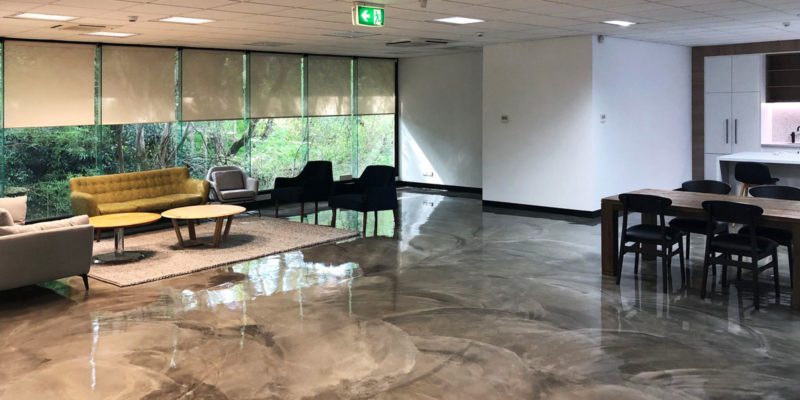
Staff Lounge Area

How Long Does An Office Fit-Out Take?

There are a lot of reasons to need a new office. Maybe your business has expanded and you need something bigger, maybe the lease is up on your old property and it’s prompted the business to re-evaluate their situation, or maybe it’s just time for a fresh start.

For whatever reason you’re moving to a new office, that new office is going to need to have an a fit-out. An office fit-out is one of the major parts of moving offices. The fit-out part of moving into a new office involves setting it up and making it an actual office employees would be happy to work in.

This is because most commercial buildings are just an empty shell building. There may be some paint on the walls and basic aspects like a bare kitchen and toilets, but not much else. A fit-out takes that base building and adds things like partitions, ceiling panels, meeting rooms, and even furniture.

Obviously all of this takes time, but how long? It’s important to know and understand the timeframes for all aspects of an office relocation so that it can all be planned.

Office Fit-Outs Can Take Different Amounts Of Time

Just like a make good when an office is vacated, the amount of time a fit-out takes can be extremely variable. No two businesses are the same and, because of this, no two offices are the same. While a professional office fit-out company can give estimates when briefing the project, it’s difficult to do without completely understanding what’s involved.

That being said, most fit-out projects take about 3 months to complete, but once again, it depends. If you’re in the early days of planning an office relocation and fit-out, this is probably a good general number for very broad planning.

Design, Size, And Layout Is A Big Factor

One obvious factor that affects how long an office fit-out will take is the size and design of the fit-out. A small office that’s essentially just some carpeting and desks for four people is a much simpler job than fitting out a corporate headquarters designed to house 200 employees.

Similarly, buildings and fit-outs with a relatively standard layout or easier to design for and complete a fit-out in. For example, if the building is a standard square that, that’s easy to fit-out. If the new office is an unusual shaped building or requires an unusual layout, then the fit-out process may take longer.

Building Owners And The State Of The Building Can Increase Fit-Out Time

While commercial leases come with the expectation that the tenant will make modifications to the base building, many landlords will still want a say in what can and can’t be done as part of the fit-out process. Seeking landlord approval for building modifications can slow down work and can also be difficult to plan for.

Additionally, the state of the base building can be a factor in the time it takes to fit-out the building. Base buildings are often referred to as a “shell,” and they can either be a “cold shell” or a “warm shell.” A cold shell is a base building that is blank: it has no partitions, no floor coverings, no suspended ceiling, etc. Meanwhile, a warm shell has some basic elements of an office already in place; it may not have utilities and services, but there will likely be ceilings, some walls, and more. The more basic the shell, the longer it will take it to become a “proper” office.

Planning Approval And Supply Lead Time Can Be A Wild Card

While planning approval often isn’t needed for an office fit-out, if you’re planning on changing the purpose of a building or are doing a substantial change, you may be required to seek planning permission. The amount of time this takes to come through can be varied depending on where the approval is coming from and what the approval is for.

Similarly, delays in obtaining the correct materials for a great office fit-out can often be a surprise. Supply delays can quickly balloon out the timeline for a fit-out project, especially if the fit-out company doesn’t have the experience to adapt or find alternative materials.

The Timeline Will Come Down Your Builder

It’s easy for a builder to tell a client that an office fit-out will take a certain amount of time, but it’s difficult for that builder to actually stick to that timeline. Although there are a lot of factors that go into how long an office fit-out will take, it’s still possible to create a good estimate and also account for unexpected delays, ensuring that the project will finish on time.

If you’re unsure where to start with your next office fit-out, feel free to get in touch. We’d love to talk to you about the project.
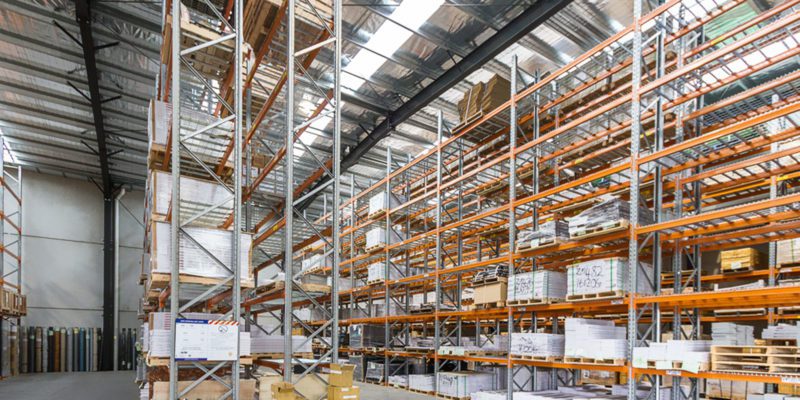
Heavy Duty Pallet Racking

How To Plan A Warehouse Relocation

So your business has decided to move to a different warehouse. This is a big decision for any business, and one that shouldn’t be taken lightly. Perhaps you’ve tried to optimise your existing warehouse or even tried to increase floorspace through building a mezzanine level, but have found that you still need a new warehouse.

Even if it’s a small warehouse relocation, it’s still important to get organised. Staying organised and planning a move properly will remove a lot of headaches for the future. A good plan ensures that the warehouse move happens quickly and efficiently and that your business is operating at 100% capacity as fast as possible.

So let’s take a look at the best way to plan a warehouse relocation so that you can get your business into its new premises quickly.

Get Organised

The initial organisation is the key to any move. Whether you’re just moving house or moving a large warehouse, being organised to start with is going to pay off. After all, if you go into a move unorganised, you’re just going to come out of it just as unorganised, if not more unorganised.

So, well before you start moving warehouses, make sure all the stock, MHE, and other items are in their right place. Do a stock take if you need to a make sure nothing is stored in the wrong place.

From there, it’s also important to talk to warehouse managers and make sure there are no large orders coming up that need to be fulfilled. If there is an order that will need to be fulfilled mid-move, have a plan for that. Will you move it early and fulfil it from the new warehouse, or will you leave it behind and fulfil it from the old warehouse? Or will you speak to the client and see if you can fulfil the order early? The key here is to plan for all of this first.

Determine You Have The Right Personnel For The Job

Ultimately, your existing warehouse staff is going to need to help with a few things that are outside of their usual day to day. Because of this, talk to all employees to make sure they understand what is expected and what they need to do. It may also be worthwhile recognising certain employees that need to take on extra responsibilities for this large job and speaking to them as well.

From there, determine whether you have enough warehouse workers to actually get this job done. If there’s overlap between trying to operate from two properties at once, it may be worthwhile to hire temporary workers in order to keep the business operating at as close to normal levels as possible.

Organise Your Make Good

Whether it’s for an office or a warehouse, it’s also important to organise an end of lease make good as soon as possible. This will ensure that the warehouse is left in the same condition that it was when the lease was started and that extra fees are not incurred for the business.

Getting the make good organised early means that it can be planned in conjunction with the relocation, making sure there are no delays or overlaps in the service.

Organise Pallet Racking

Other than moving the actual items being stored in the warehouse, have you considered what’s happening with the pallet racking as well? If you’re getting new pallet racking installed, it’s obviously important that it’s done prior to good being moved into the new warehouse. With that, have you arranged to sell your old pallet racking?

The final option is to move the existing pallet racking that you already own. This needs to be planned for, as well as the planning for the storage of the pallets that are sitting on that racking.

Work With A Pro

Any warehouse relocation project is going to have a lot of moving parts that requires both the knowledge of the team that run the warehouse as well as a team of professionals who know what they’re doing, and that’s why it’s important to work with professionals, especially professionals who are able to work end to end for the project.

At A1 Precision Solutions, we can handle all aspects of a warehouse relocation from packing up the old warehouse, to setting up the new warehouse (including pallet racking), and even performing the make good at the old premises. So speak to us if your business has outgrown its old warehouse. We can help.

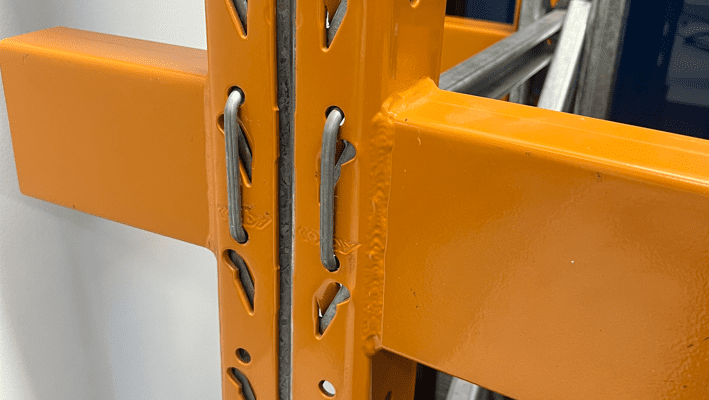
Close up of pallet racking beams connected to uprights.

What You Need To Know About AS4084:23

Now that we’re in 2024, AS4084:23 has been active for almost a year now, but we still frequently see warehouse operators and pallet racking who don’t know about the new standard. Although there are exceptions to when pallet racking needs to conform to AS4084:23, it’s important to know these exceptions as well as understand the new standard in relation to AS4084:12.

So let’s take a look at AS4084:23, understand how it’s different from AS4084:12, and make sure your business is compliant for 2024.

What Is AS40484:23?

AS:4084:23 is the Australian Standard for steel storage racking. Like all standards, AS4084:23 is all about safety. The Standard describes how steel storage racking (i.e. pallet racking) should be designed, built, operated and maintained in a safe way in order to avoid workplace injuries.

The Standard goes through requirements for pallet racking design, fabrication, tolerances, testing, operation, and maintenance. It also talks about modifications to pallet racking and states that any modifications need to be approved by the supplier or manufacturer.

Almost as importantly, the Standard also lays out pallet racking inspection standards: what they are, how frequently they need to happen, and what’s involved.

What’s The Difference Between AS4084:23 and AS4084:12 And Why The Update?

The most obvious difference between the two Standards is that AS4084:23 is now in two sections:

  • AS4084:23.1 – Steel Storage Racking Part 1: Design
  • AS4084:23.2 – Steel Storage Racking Part 2: Operation and Maintenance

By separating the Standard into two parts, it makes it obvious what’s important, namely the design, operation, and maintenance of steel storage racking.

Other than this separation, the Standard has been updated in quite a few ways. This update needed to happen because it’s been more than ten years since AS4084:12 and the technology behind pallet racking changes over time. North America and European regulators had already updated its standards, so AS4084:23 just brings Australia into line with them.

Some big changes to the Standard is that it goes into a lot more depth in relation to design and operation, with increased focus on repair. It also lists specific methods for the testing and analysis of pallet racking. Finally, AS4084:12 didn’t have any design requirements for areas with seismic activity, so the new Standard updated this.

While AS4084:23 has quite a few updates when compared to AS4084:12, the good news is that warehouse operators aren’t expected to know every single one of them. While warehouses need to be operated in line with safety regulations for general operational health and safety as well as pallet racking, it can be difficult to navigate Australian Standards in general. And that’s where experts come in. At A1 Precision Solutions, we know and understand AS4084:23 and can ensure your pallet racking is up to standard. If it’s not, we can help you correct it. If you’re buying new pallet racking from us, you’ll know it’s up to Standard.

What Are The Exceptions To AS4084:23?

Although most pallet racking needs to adhere to AS4084:23, there are some instances where it doesn’t.

Broadly speaking, all newly installed pallet racking must adhere to AS4084:23. This also means that if existing pallet racking is modified or moved, it needs to be up to AS4084:23. On the other hand, existing pallet racking that’s already installed is not expected to meet AS:4083:23 criteria, but it still needs to adhere to AS4084:12.

An example of when racking may need to change from AS4084:12 to AS4084:23 is if you’re moving warehouses, including moving the pallet racking to a the new location. The pallet racking at the old location may have only had adhere to AS4084:12, but when it’s moved to the new warehouse, it will have to be up to AS4084:23 standards.

If you’re unsure where your warehouse stands, get in touch with us for some advice.

Coolroom Construction

How To Clean Cool Room Sandwich Panels

Constructing a cool room can be a massive investment for a business. And, for a lot of businesses, a cool room is likely central to their operation. Restaurants need to keep food cold before it’s prepared, food stores may have large refrigeration and freezer sections both accessible to customers and for general storage, bottle shops like to offer pre-cooled beverages for their customers to take home. In all of these examples, and in most cool room uses, food is involved. Because of that, it’s important that a cool room is kept as clean as possible. This is both because of food safety requirements as well as general business operation requirements.

But how do you clean a cool room? Cool room sandwich panels are robust, but they can be damaged if not treated properly.

Fortunately, keeping a cool room clean isn’t terribly challenging. Cleaning just needs to be done properly. Here are our suggestions for cleaning a cool room.

Don’t Use Hard Chemicals Or Solvents

Harsh chemicals and solvents can damage the outside of sandwich panels and make your cool room less functional. Because of this, it’s best to avoid chemicals and solvents altogether. If you do need to use something other than water to remove build up or stains, ensure the pH of the product is between 5 and 9, this isn’t too acidic or too alkaline.

After you use any chemical though, no matter how mild, give the sandwich panels a thorough rinse with clean water to ensure no chemicals stay on the surface.

Rinse Cool Room Panels With Clean Water From Top To Bottom

As mentioned, thoroughly rinse cool room sandwich panels after using any kind of cleaning product on them. With that being said, often sandwich panels don’t even need anything other than water to rinse off dirty and dust.

When rinsing cool room sandwich panels, whether it’s to remove cleaning chemicals or for a light clean, make sure you rinse the panels from top to bottom. This will allow anything sitting on the panel walls to be rinsed onto the floor and be completely removed from the panel itself.

Avoid High Pressure Cleaning Of Sandwich Panels

Just like with harsh chemicals, high pressure cleaning, even with just water, can also damage the outside of sandwich panels. If pressure needs to be used to remove stubborn build up, ensure the nozzle is at least 30 cm away from the surface of the sandwich panel and keep the pressure to a minimum.

When spraying sandwich panels with any kind of pressure, even light pressure, don’t spray into the panel joints. Even the best sealed panel joints can’t withstand high pressures trying to work into them.

Don’t Use High Temperature Steam Cleaning

Like high pressure cleaning and chemicals, steam cleaning can also cause damage to cool room sandwich panels. However, lower temperature steam cleaning is usually fine for cleaning cool room sandwich panels. Generally if you keep it below 50 degrees Celsius for steam cleaning, your panels shouldn’t be damaged, but it may be best to check with your sandwich panel manufacturer on this.

Clean Cool Room Sandwich Panels Frequently

Heavy scrubbing can damage cool room panels, and because of this, frequent cleaning can ensure there’s not a large amount of build up that requires heavier scrubbing or products that may potentially damage expensive parts of your cool room’s insulation.

As with many things, prevention is better than the cure, so staying ahead of cleaning before if becomes a problem will ultimately make everything easier. And you’ll have a cleaner cool room because of it.

Get Maintenance Issues Sorted Quickly

While this is less an issue to do with cleaning cool rooms, keeping on top of sandwich panel maintenance is just as important as cleaning. If you’ve damaged a sandwich panel by mistake while cleaning it, get it repaired right away. Poorly maintained cool room sandwich panels can make your cool room inefficient or non-operational, which can cost more money long term.

Like any piece of equipment, cool rooms, freezers, and especially clean rooms require a level of professional maintenance from time to time, and it’s not just damage related. It’s recommended that these types of facilities receive an annual inspection and report. During these inspections everything will be assessed for material health, cleanliness, and any repairs that may be required.

If you have any questions about the cleaning of sandwich panels for your cool room, or any maintenance issues that may arise, feel free to get in touch. We’re happy to help.

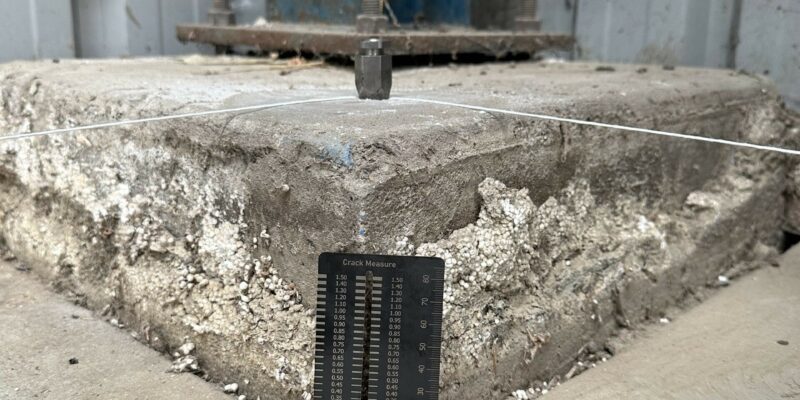
Ruler showing how much a concrete slab has subsided.

The Difference Between Concrete Underpinning And Resin Injection Underpinning

Concrete slabs and foundations can subside for a variety of reasons. Over time, the soil underneath a concrete slab can shift due to changes in moisture or erosion. Voids can form in the soil, again due to moisture or erosion. Poor drainage and even tree roots can also cause the soil underneath a building to become unstable. When the soil that a building is sitting on becomes unstable, this can cause the building’s foundation to shift or subside.

If subsidence has occurred, it’s often noticeable in the form of cracks in walls or brick work, uneven flooring, or other visible indicators that the entire building, or parts of it, is moving downward.

Obviously this is a concern as both the owner of a building and as a tenant. If you’re the owner of a building that has subsided, you’re likely worried that this problem will continue to happen and require a large amount of money to fix. If you’re the tenant of a building, you’re likely concerned about potential damage to your building fit-out as well as safety issues from uneven flooring.

How To Fix Subsiding Building Foundations

If a building’s foundation is subsiding, the common way to fix it is through concrete slab underpinning. Underpinning involves creating a strong and stable base for the building’s foundation to sit on while also relevelling the building. Buildings can also generally slip or settle if they’re near unstable soil. In cases such as this, full underpinning may not be needed. Instead, soil stabilisation may need to occur near the building, but not necessarily underneath it.

There are a variety of ways to underpin a concrete slab, and the best way to go about it will depend on the exact nature of the problem, the extent of the slab that needs to be fixed, and specific challenges with the site and building.

The two most common methods of underpinning, however, are concrete underpinning and resin injection underpinning. Let’s take a look at each of them.

What Is Concrete Underpinning?

Concrete underpinning is the older style of underpinning that’s been used for as long as there have been concrete slabs. Although it’s a tried and true method of re-levelling a building, it can be quite labour intensive.

The process for concrete underpinning basically creates a new foundation under the building’s existing foundation. This new foundation is deeper and therefore extends the building’s foundation to more stable soil.

All of this is done by digging holes underneath the existing foundation or slab and then filling them with concrete. It’s quite simple but, as mentioned, very labour intensive.

Because of all of this, concrete underpinning has a number of drawbacks:

  • Slow and requires a lot of labour: digging underneath a building takes time.
  • Expensive: as a lot of time and labour is involved, budgets can be high for these projects.
  • Often not suitable for reactive soils: reactive soils, like clay, may not be suitable for concrete underpinning because they shift so much.
  • May need to vacate the building during the project: this is because excavation is happening under the building, making it unsafe.

This isn’t to say that concrete underpinning is never a good option. However, the newer method of resin injection underpinning is often preferred.

What Is Resin Injection Underpinning?

Resin injection underpinning involves injecting a resin through small holes in the building’s foundation. This resin can then fill voids in soil, strengthen the soil, and also lift the building back up because it expands as it cures. Since it’s not required to dig underneath the building, the process of resin injection underpinning is much less invasive and a lot less time consuming. Additionally, the resin usually cures in about 15 minutes and, since there’s no excavation underneath the building, it usually doesn’t need to be vacated while the injection process is happening.

Some people are wary of resin injection underpinning because it’s newer technology that doesn’t have the same history of reliability as concrete underpinning. However, resin injection underpinning has been around for more than 30 years. Of course this isn’t as long as the traditional method, but more than enough time to prove that it works.

Because resin injection underpinning is often faster and less expensive than other types of underpinning, it’s usually the preferred method for an underpinning and slab levelling project.

Deciding What’s Right For Your Building

Ultimately, every building is different, and the specific reasons the building is subsiding will be different as well. It’s difficult to say that the problem is “definitely X” or “definitely Y” without a thorough assessment from a professional.

If your building is dealing with subsidence issues, feel free to contact us for advice.

Office Furniture Fit-out

Why You Should Have An Energy Efficient Office

When fitting out a new office, you’ve probably been given various options for energy efficiency. We’ve already written about how to create a sustainable office fit-out, but we didn’t touch on many of the reasons to have an energy efficient office in the first place. After all, some ways to gain more energy efficiency in an office or commercial property can be more expensive than the “standard” ways of doing things; it may be tempting to go with the less expensive and easier option.

Let’s explore some of the reasons why energy efficiency in an office is something you should pursue.

Energy Efficiency Reduces Overheads

Perhaps the biggest reason to pursue energy efficiency in an office is that it has the potential to reduce overheads, and not by just a little bit.

Lighting, HVAC systems, and office appliances and computer equipment cost money to run. Making these things consume less energy or simply using them less can make the costs of running an office a lot less. While the initial installation of some of the measures to make these things more efficient can be costly, this is a one off cost that will pay for itself over time and then continue to reduce costs once paid for.

Take your office HVAC system, for example. Very often heating and cooling systems that cost less to install cost more to run. This means that any initial savings are quickly lost, especially for a larger office space. Beyond offices, if you’re fitting out a facility with a cool room, the costs of running the cooling unit can be quite high.

This is similar when making the decision on whether or not to install solar panels at your office. Yes, the cost can be high, but these things are designed to pay for themselves and save money in the long term.

Reduced Maintenance Costs

Going beyond simple running costs, energy efficient office equipment can also often have reduced maintenance costs. This is because they do their job better and don’t need to be for as long or as hard.

Staying with the heating and cooling example, an inefficient HVAC system trying to regulate the temperature in an office that isn’t well insulated will be constantly running. A well built HVAC system being used in an office with ample insulation and smarter thermostats doesn’t need to run as much, prolonging the life of the unit.

Potential For More Employee Comfort

The office needs to be more than just a place for employees to go to get their work done. Comfortable employees are happier, more efficient, and have few absences. Comfort goes beyond giving people a decent chair with ample lighting in a room that isn’t too hot or too cold.

Employees are humans, and humans prefer natural light and fresh air over electric lighting and recycled air. Offices designed with energy efficiency in mind look for opportunities to create both these things. Bigger windows and natural ventilation can cost more money to install (even though it saves money over time), but they make the people actually using the office feel more comfortable.

This is, perhaps, one of the hidden cost benefits of energy efficient offices. The costs of lack of productivity and employees taking sick days due to employee discomfort is hard to quantify, but it’s easy to understand that it can be a factor.

Staying Ahead Of Government Regulations

It’s not uncommon for government regulations, especially for specific industries, to mandate energy or carbon reductions. This is usually most prevalent in manufacturing industries, and it’s often easy to look to factories to find energy reduction opportunities. However, energy reductions in the office can also be made to similar effect.

While it may not seem logical to retrofit an existing office to be more energy efficient if it doesn’t need to be, if you’re relocating your office and need to do a new fit-out anyway, it may be wise to make the new office as efficient as possible. That way you don’t need to do it after the fact should you have to.

Good Corporate Citizenship And Branding

Somewhat cynically, having an energy efficient office makes your brand look good. People like working with businesses that are doing the right thing, and looking after the environment is part of being a good corporate citizen.

While we believe being a good corporate citizen is important, ultimately the slightly higher upfront cost of making an office space more environmentally friendly saves money and makes workers perform better. Even if it wasn’t simply the thing to do, an office built with the environment in mind just makes sense.